Taichung MRT

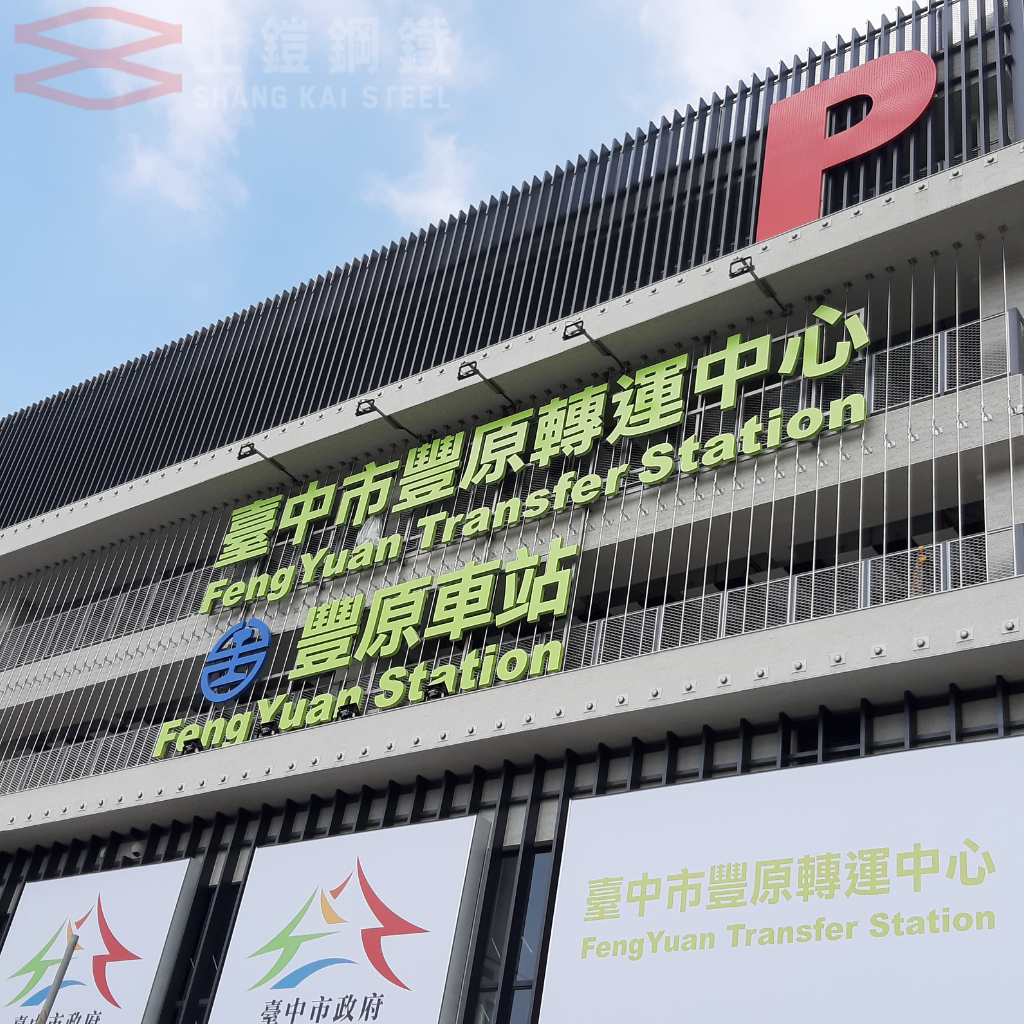
Case Name: Taichung MRT
Location:Taichung City, Taiwan
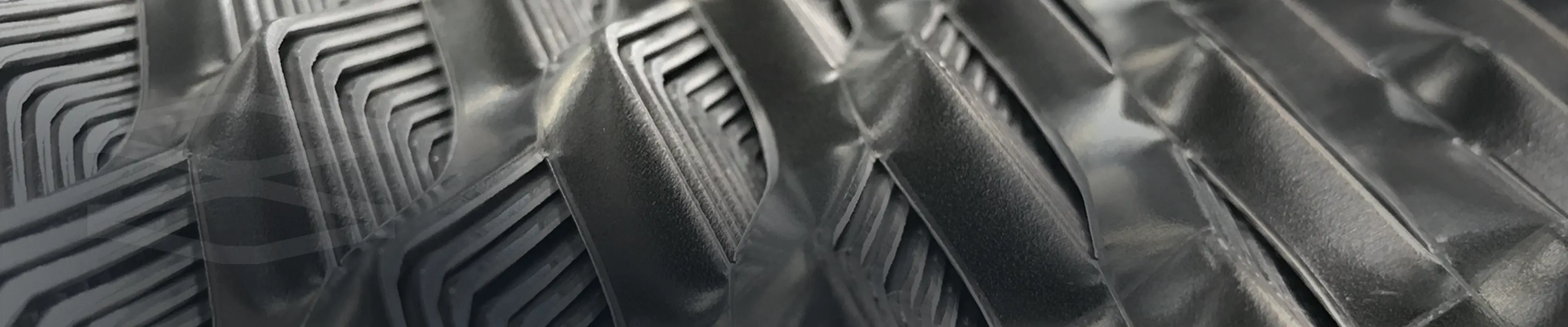
Models: SKA20-42 SKA30-39
Type Series: SK-Architecture Mesh


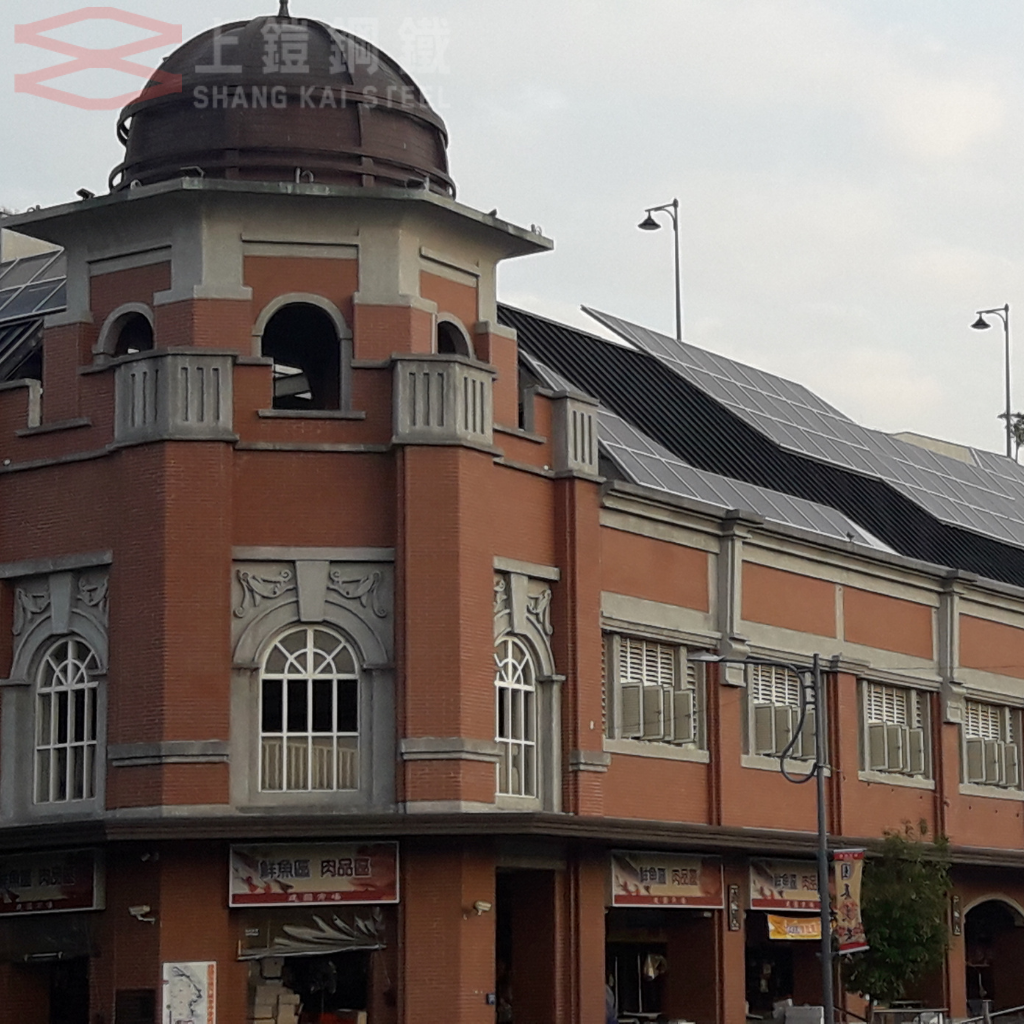
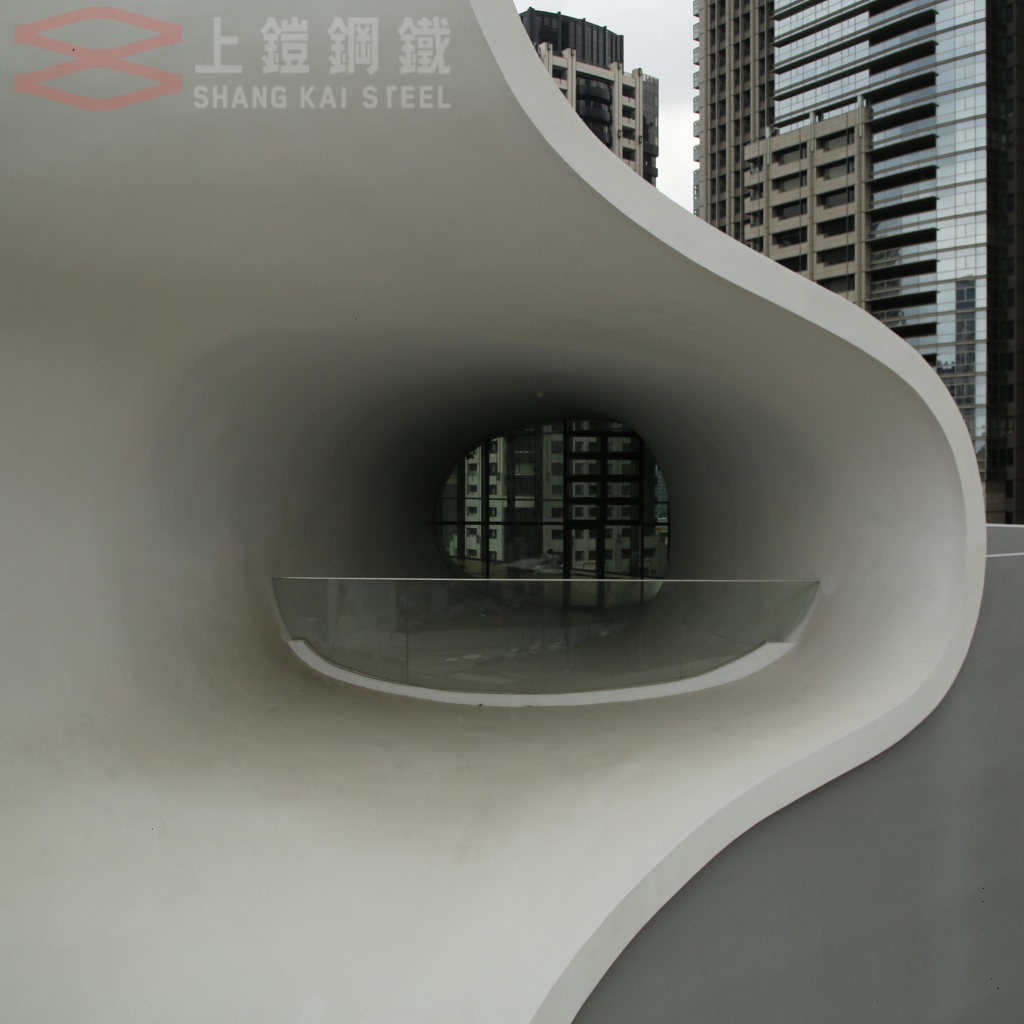
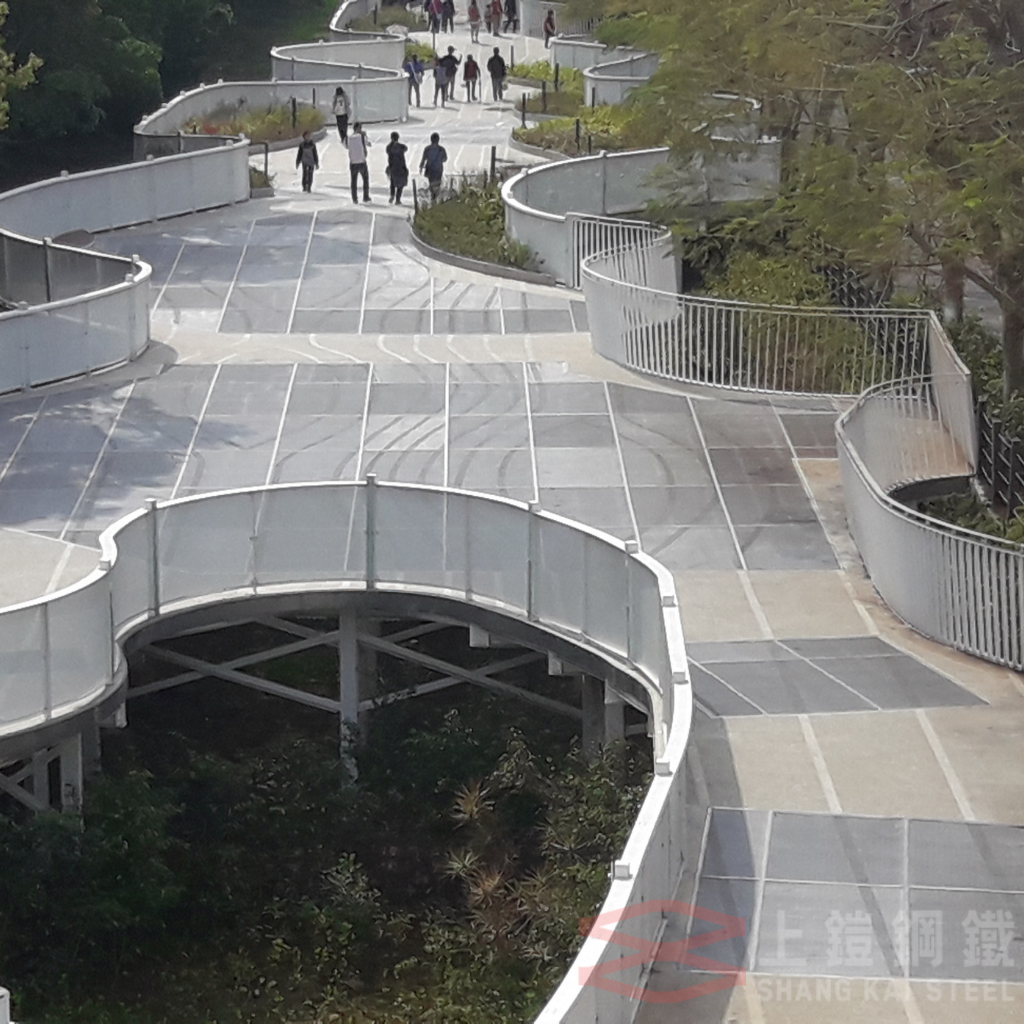
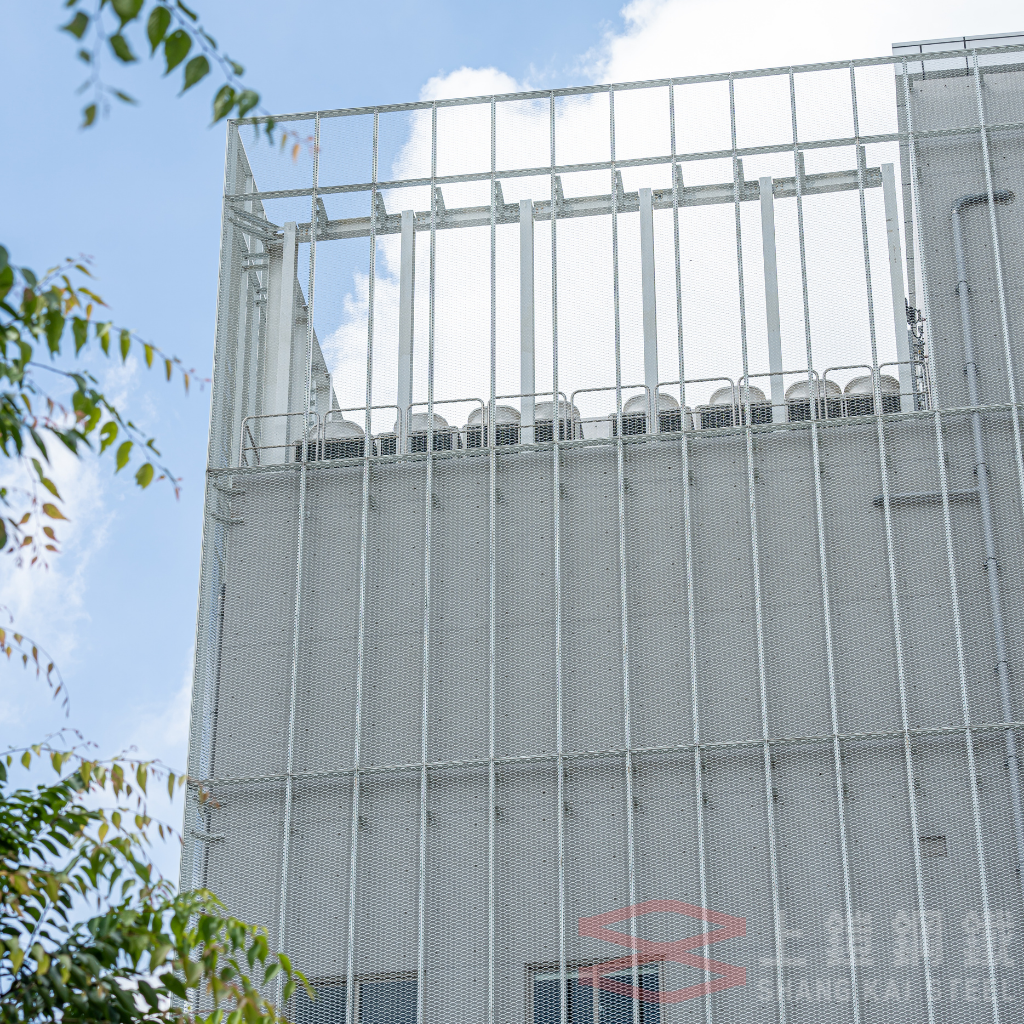
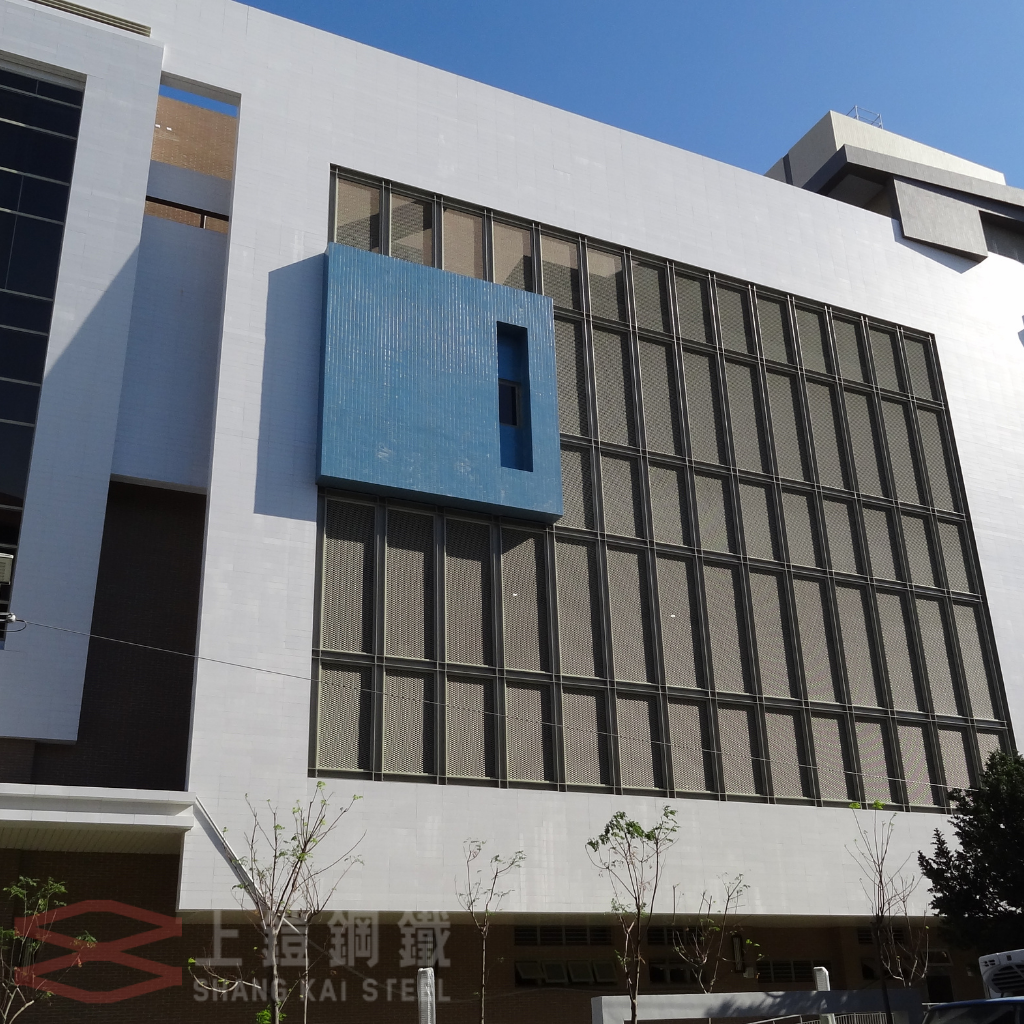
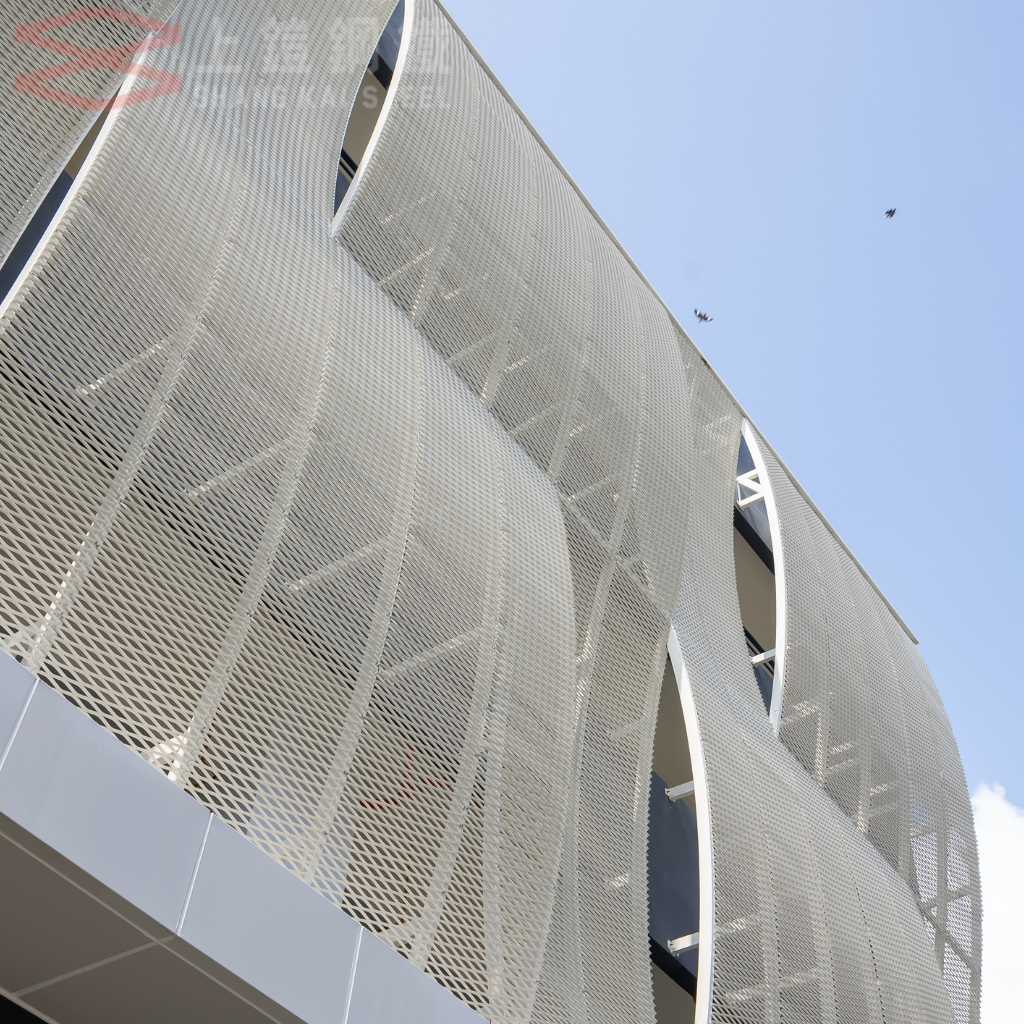
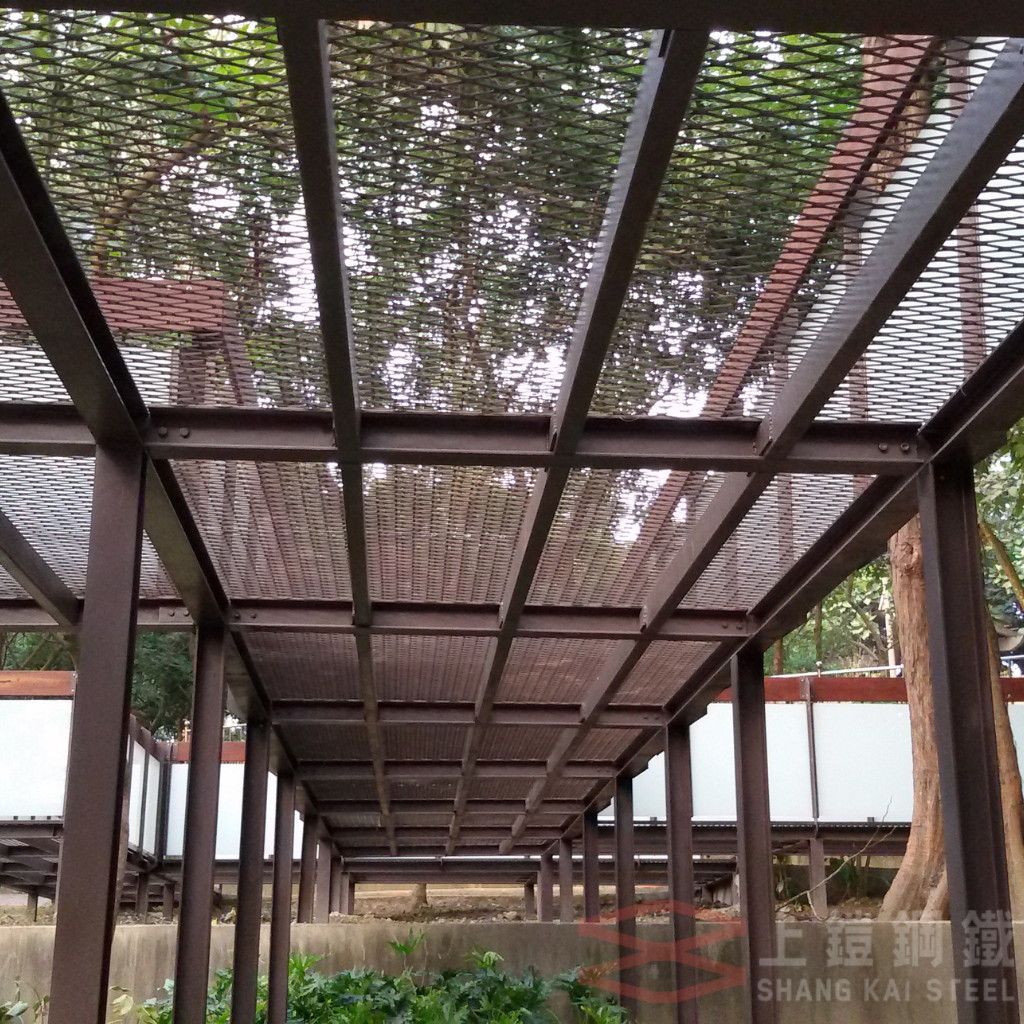
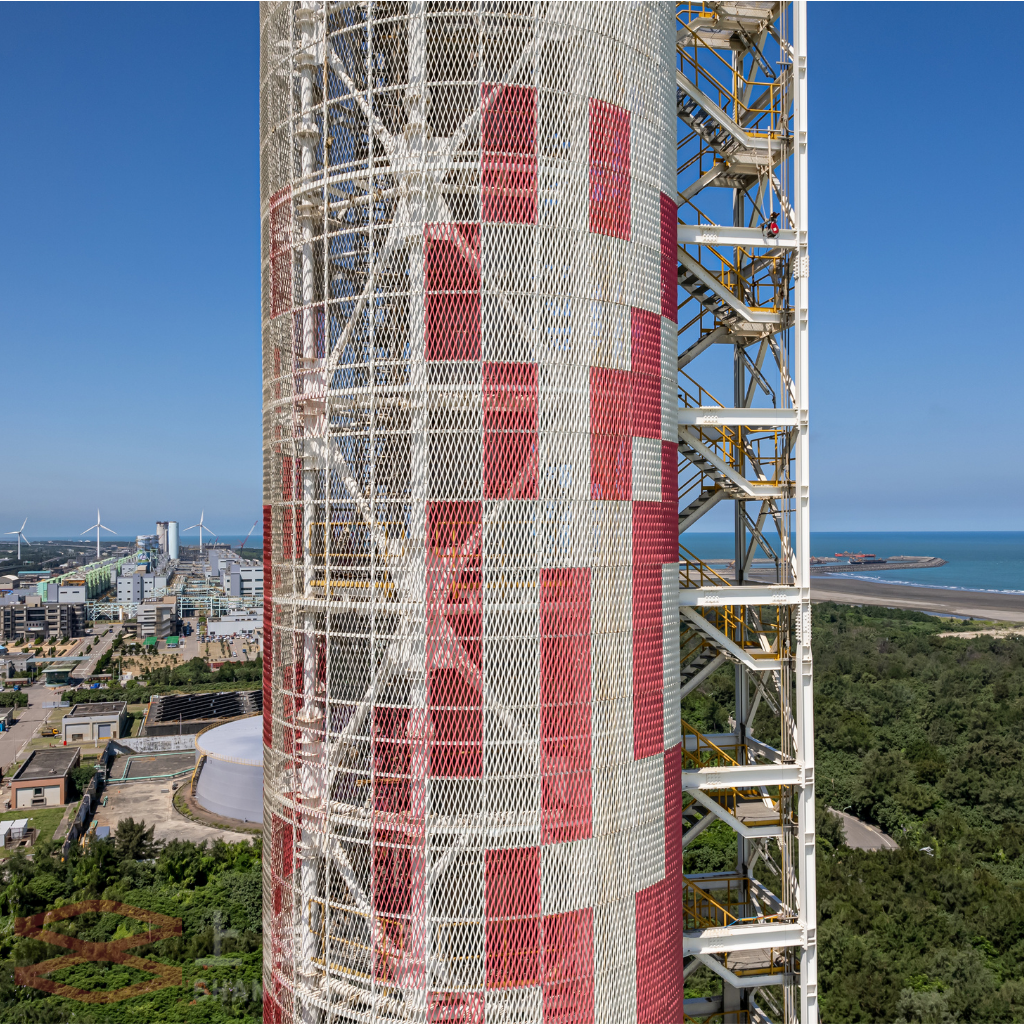
During the planning phase of the Taichung Mass Rapid Transit (TMRT), the architectural team prioritized long-term structural resilience against Taiwan’s demanding climate, which is characterized by extreme heat, high humidity, frequent earthquakes, and intense typhoons. To meet these rigorous infrastructure requirements, Shang Kai Steel’s SKA Expanded Metal Mesh was selected as the primary building facade material. Because it is manufactured without any welded joints, it completely eliminates the risks of localized oxidation and structural fracturing. Proven to deliver an operational lifespan exceeding 60 years, the system maintains the complete aesthetic and structural integrity of the transit facades over decades of high-capacity operations, drastically minimizing long-term maintenance and repair overheads.

How does the SKA series achieve multi-seasonal microclimate control and energy savings for transit hubs?

Customized Aperture Engineering: By precisely calculating and arranging the diamond aperture angles based on real-world site conditions, the SKA series blocks harsh solar radiation and reduces structural heat absorption. Without compromising natural daylighting or airflow, it lowers indoor temperatures by an average of 4–6°C and boosts cooling energy efficiency by 24–36%.

Multi-Seasonal Thermal Balancing: In the winter, the engineered geometry of the mesh functions as a highly effective windbreaker, diffusing freezing drafts from directly penetrating the open-air platforms and mitigating interior heat loss. Conversely, during hot summer months, it delivers maximum solar shading to lower interior temperatures, drastically reducing seasonal utility expenses and ensuring a premium commute experience.

What processing standards enable the SKA system to optimize construction workflows and timelines?

Low-Tolerance Modular Precision: Advanced manufacturing workflows eliminate dimension variances between panels. This high precision minimizes the need for on-site field modifications or adjustments, allowing construction teams to seamlessly execute standardized installation procedures.

Optimized Urban Installation Efficiency: By eliminating labor-intensive realignment delays, the system optimizes on-site assembly timelines.

How does Shang Kai Steel streamline green building certifications and ESG compliance for public infrastructure?

Dual Institutional Eco-Certifications: Validated through comprehensive simulation testing across 24 distinct configurations, the SKA system has successfully secured the Green Building New Technology Certification from the Taiwan Architecture Center. It also holds the official Low-Carbon Construction Method Certification pushed by the Low Carbon Building Alliance (LCBA) and the Ministry of the Interior's Architecture New Technology, New Method, New Material Certification.

Empirical Building Carbon Reduction: Third-party empirical testing confirms that when deployed as an east-west solar shading system on a 12-story office structure, the SKA mesh reduces carbon emissions by up to 8.8%.

Transparent Cradle-to-Grave Carbon Accounting: Shang Kai Steel provides comprehensive product lifecycle carbon disclosure data, precisely tracking greenhouse gas emissions across raw material procurement, manufacturing, logistics, on-site installation, and end-of-life recycling. This verified documentation empowers architects and developers to easily secure green building ratings, navigate public bidding, and fulfill strict ESG procurement criteria.

TOP