- Home
- Case Study
- Public Facilities
- Cheng Ching Lake Walkway
Cheng Ching Lake Walkway
Case Name: Cheng Ching Lake Walkway
Location: Kaohsiung City, Taiwan
Year: 2012
Models: XG 12
Type Series: XG Walkway Mesh
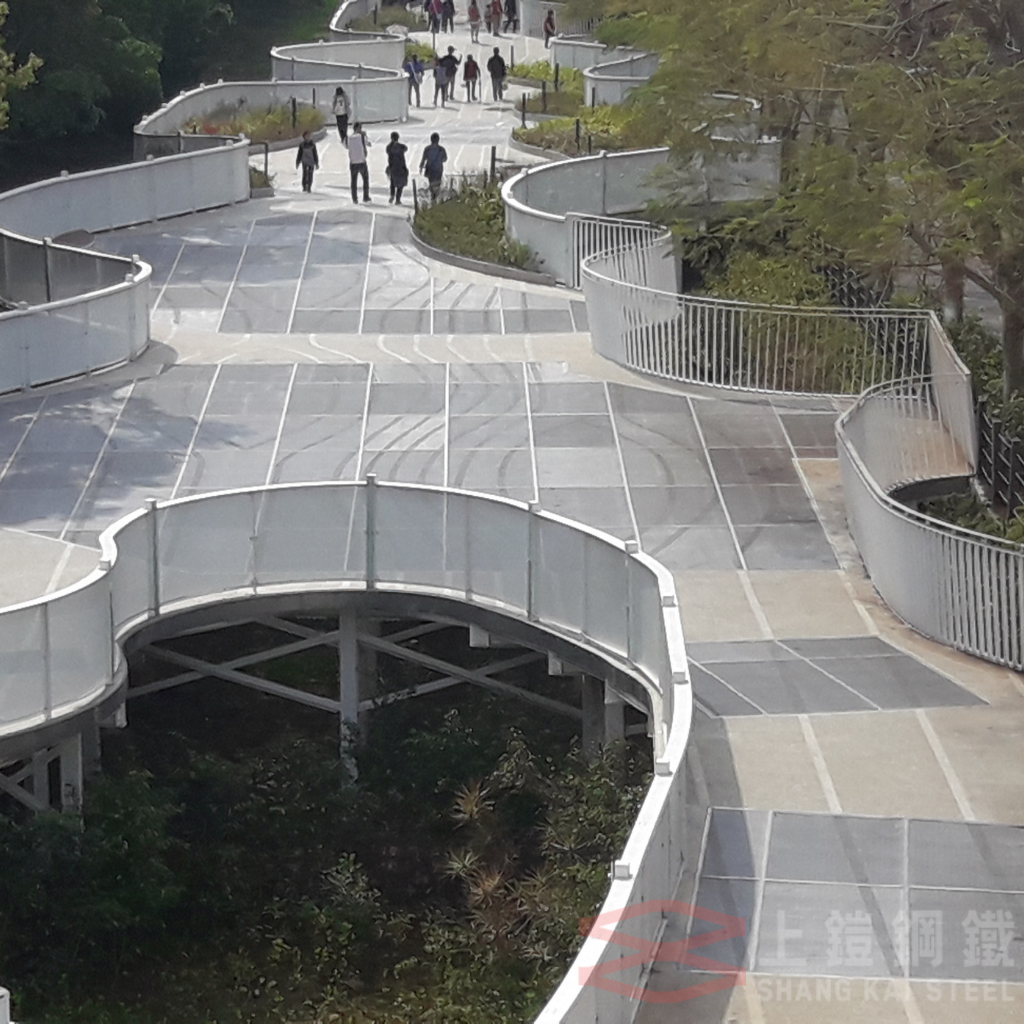
Located in Kaohsiung, the Chengcing Lake Walkway prioritizes safety, structural stability, and ecological integration in its planning and construction. To achieve this, project developers specifically selected Shang Kai Steel’s XG specification expanded metal mesh XG12 as the primary walkway building material. Compliant with multiple international construction and safety standards, this high-strength mesh delivers exceptional load-bearing capacity and premium anti-slip characteristics. Its proven performance makes it a highly sought-after solution, widely utilized in premier walkway engineering projects across the globe.
International Compliance & High Strength: Engineered to meet strict international architecture and safety regulations, the XG12 model provides a robust, heavy-duty surface capable of handling continuous pedestrian traffic.
Premium Anti-Slip Surface: The unique, raised structural aperture of the XG specification expanded metal mesh provides excellent skid resistance, ensuring optimal traction and protecting public safety under various weather conditions.
Water Permeability & Natural Light Transmission: The open mesh configuration permits direct rainwater infiltration and essential sunlight penetration, ensuring that the soil below receives proper hydration and light.
Sustainable Ecosystem Preservation: By maintaining natural light and moisture flow, the system allows native flora beneath the walkway to grow unhindered, successfully supporting biodiversity and a sustainable environmental cycle.
Global Walkway Adaptation: From scenic nature trails to heavy-use urban boardwalks, the XG series is highly adaptable, proving its reliable durability as a mature solution for large-scale public engineering.
Low-Maintenance Durability: Built to endure damp lakeside environments without structural degradation, it eliminates the need for aggressive chemical treatments, safeguarding both the project's long-term budget and the surrounding nature.