Agricultural Technology Park Administration Center, MOA

Case Name: Agricultural Technology Park Administration Center, MOA
Location: Pingtung City, Taiwan
Year: 2013
Architect: Hoya Architects and Associates Co., Ltd
Models: SKA 20-55
Type Series: SK-Architecture Mesh


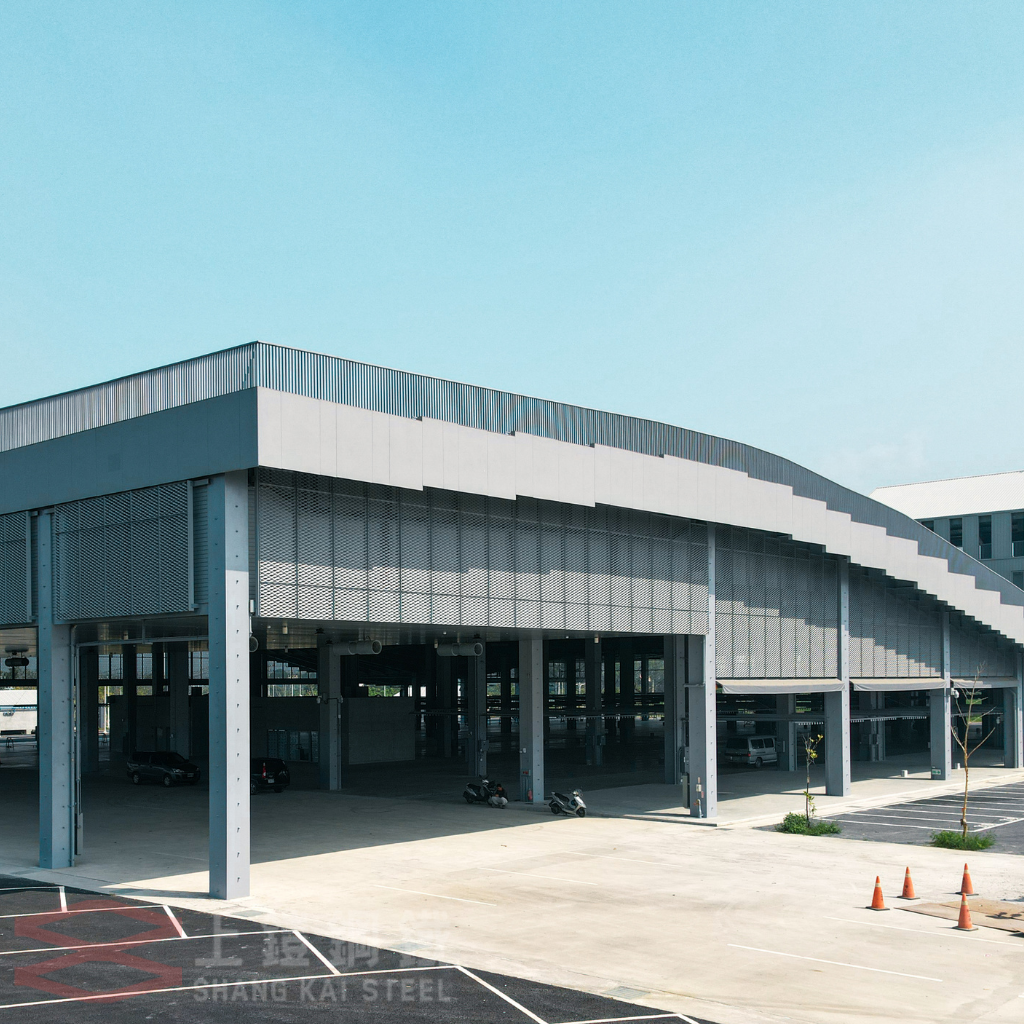
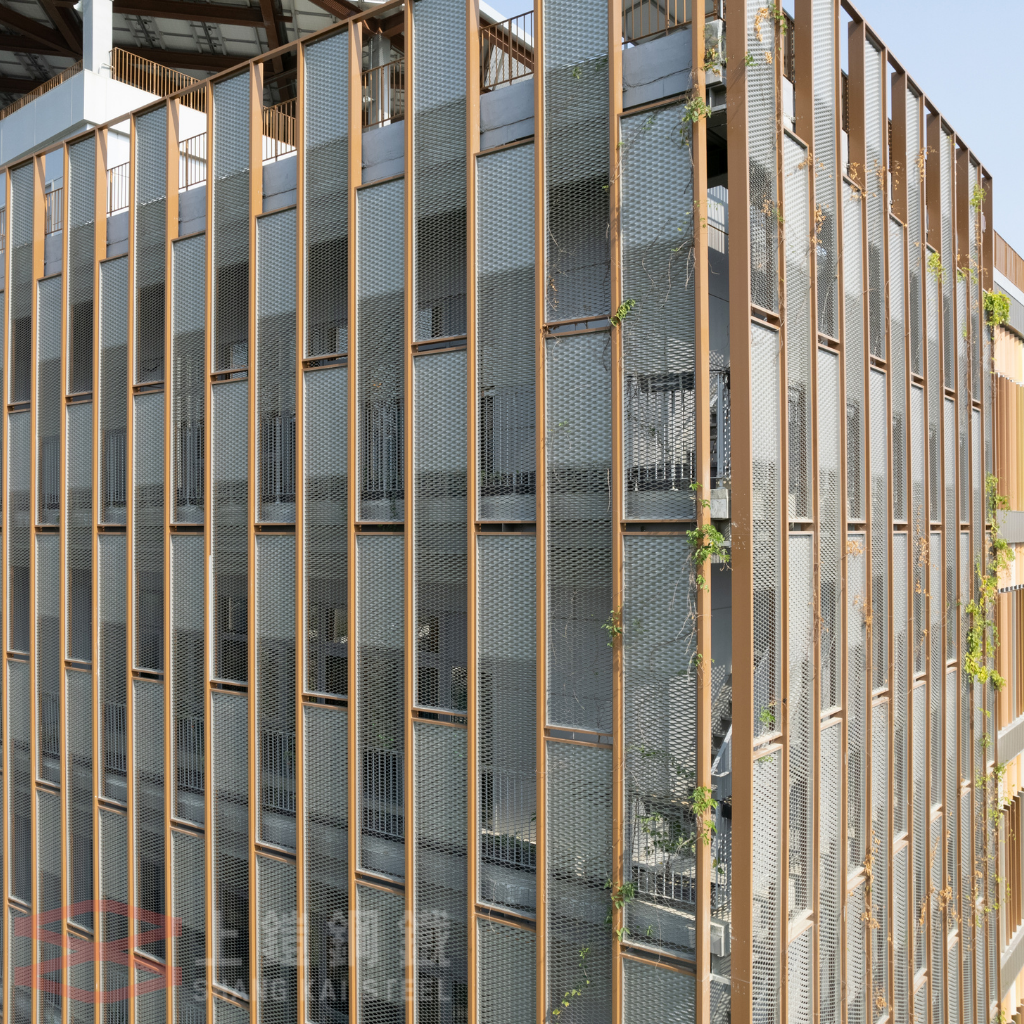
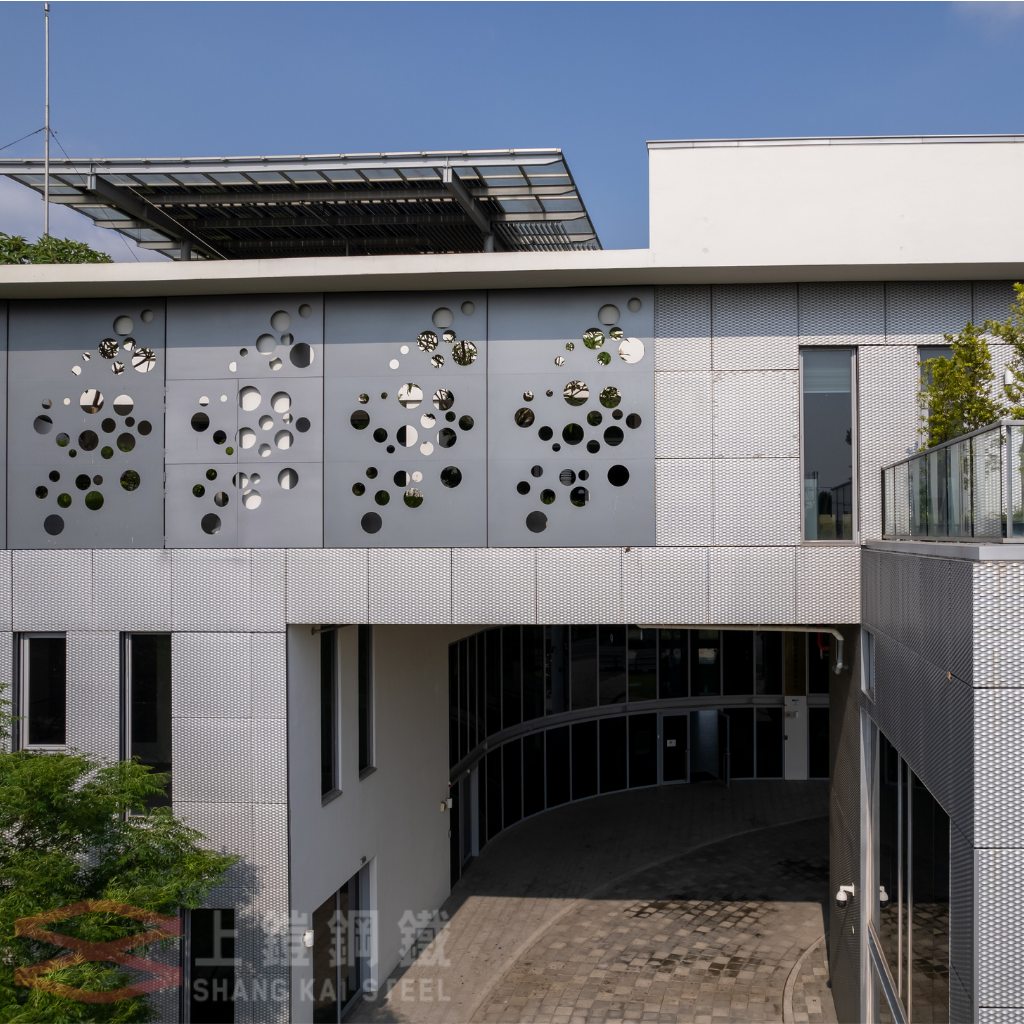
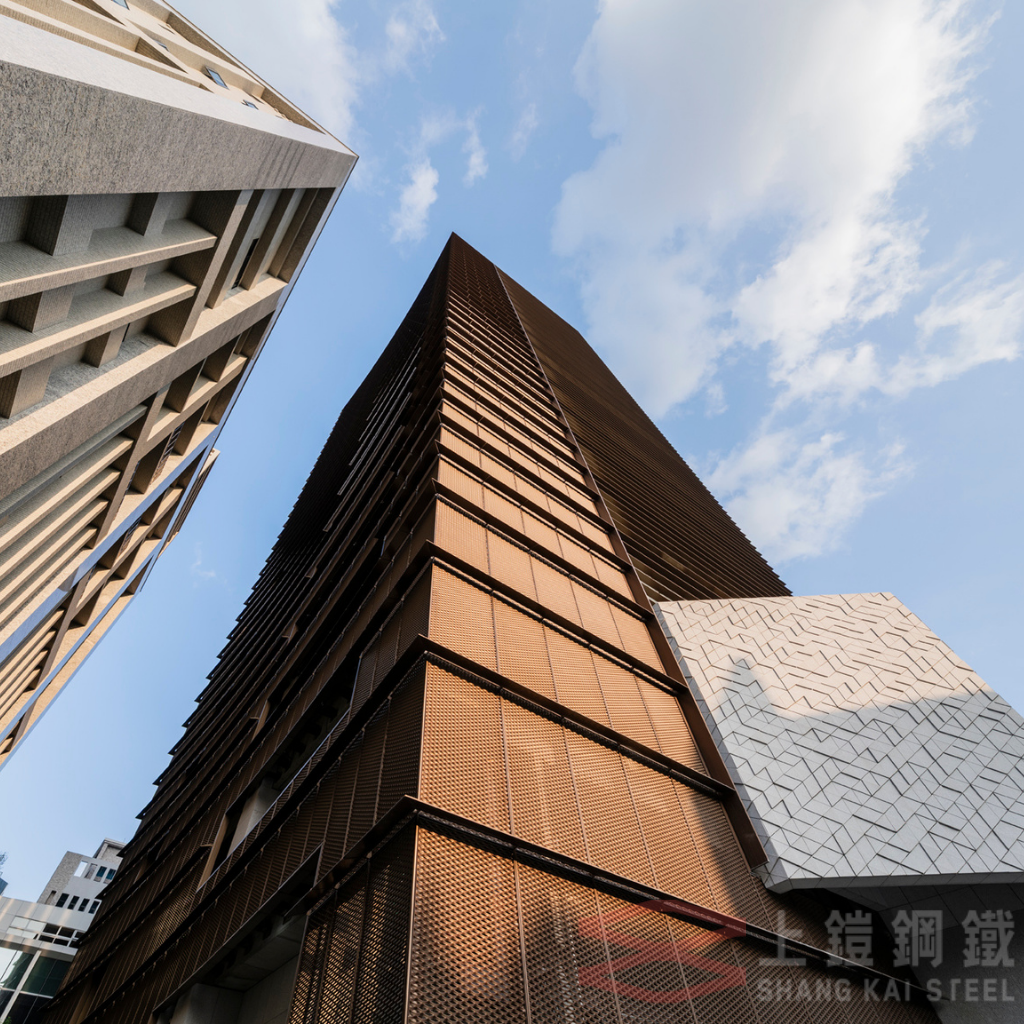
Located within the Pingtung Agricultural Biotechnology Park, the Agricultural Technology Park Administration Center, MOA stands as an innovative architectural marvel that seamlessly blends high-performance functionality with expressive artistic design. Masterfully conceptualized by Ho-Yang Architects & Associates, the landmark facility incorporates Shang Kai Steel’s self-developed SKA specification expanded metal mesh SKA 20-55 to fulfill demanding ecological and architectural requirements.

How does the SKA 20-55 mesh translate the aquaculture theme into a dynamic visual narrative?

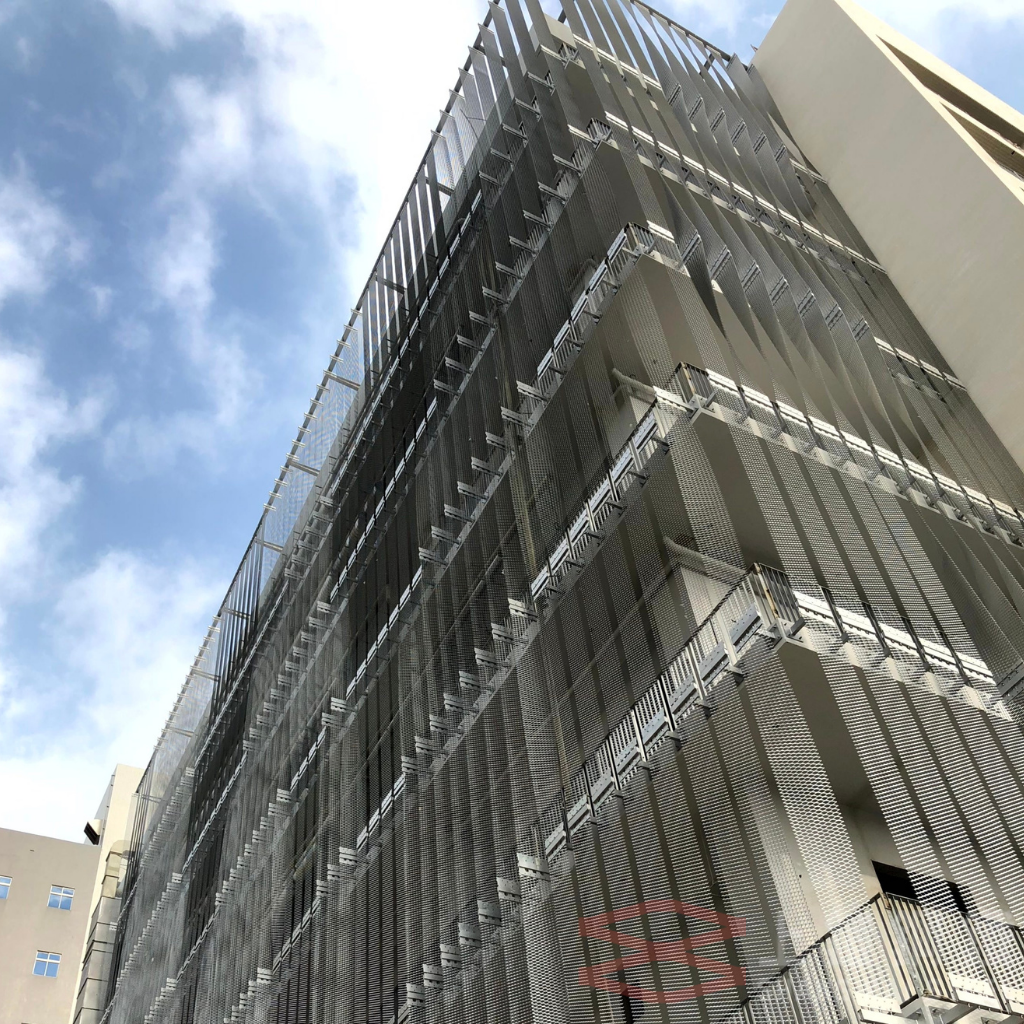
Dynamic Scale-Like Texture: The building’s exterior envelope is meticulously wrapped in the SKA 20-55 expanded metal mesh, arranging the building into a fluid, multi-layered elevation that mimics organic fish scales.

Why does this expanded aluminum curtain wall ensure superior construction efficiency and climate resilience?

Precision-Engineered Structural Uniformity: Shang Kai Steel's advanced manufacturing technology guarantees absolute consistency in the geometry, spacing, and structural alignment of the aluminum panels, streamlining the alignment of large-scale facade areas while reducing field labor requirements.

Advanced Weatherproof Integrity: Fabricated from high-grade aluminum, the mesh delivers exceptional weather resistance and structural stability, ensuring the envelope resists corrosion and remains perfectly flat under southern Taiwan's punishing outdoor elements.

In what ways does this architectural envelope support institutional energy-saving goals?

High-Efficiency Thermal Shielding: The custom geometry of the SKA specification expanded metal mesh acts as a heavy-duty sunshade, blocking intense direct solar radiation to drastically mitigate structural thermal loads.

Green Building HVAC Optimization: By preventing the interior space from overheating, the system substantially minimizes energy consumption from air conditioning systems, providing a clear technical pathway toward achieving sustainable green building certifications.

TOP